In fast-evolving healthcare systems, fragmented digital experiences can do more than frustrate—they can fracture trust and limit outcomes.
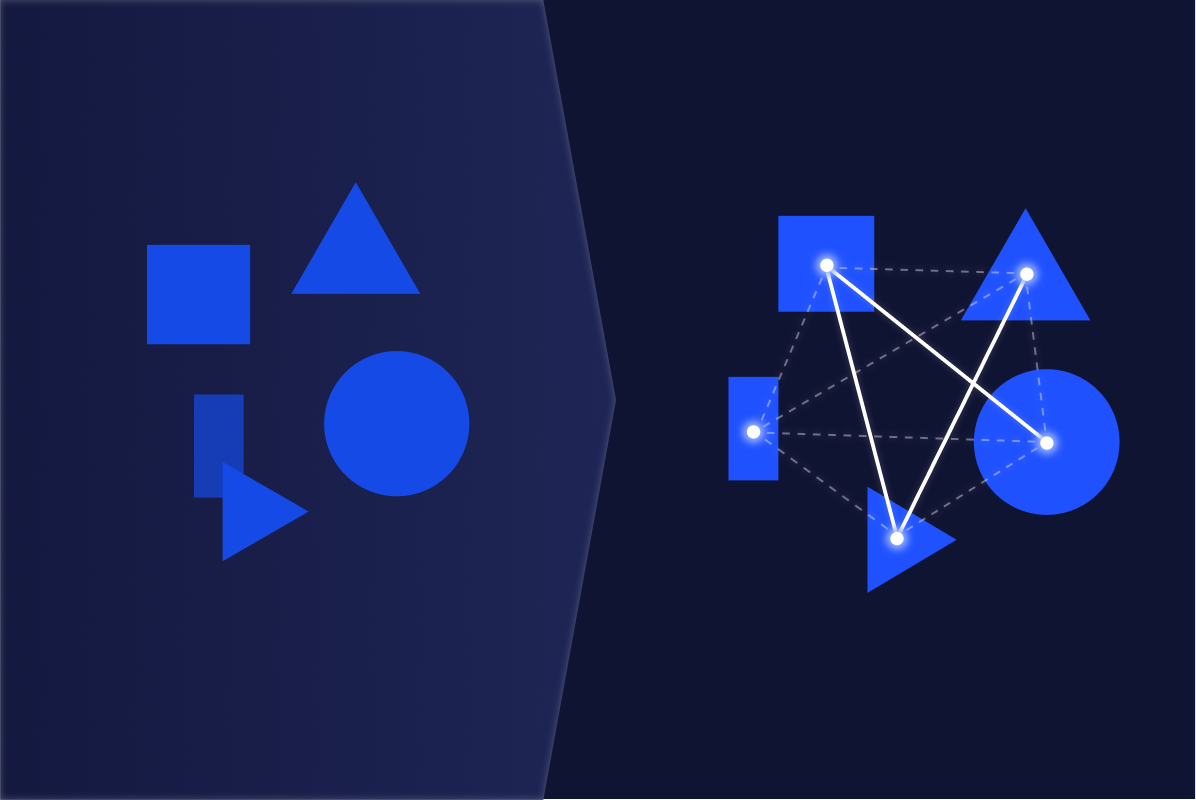
I led the reimagination of a multi-product ecosystem that had grown in silos over time. Instead of focusing on isolated improvements, we saw an opportunity to create something much bigger: a unified experience that could simplify workflows, enable smarter outreach, and support long-term scalability.
We began by aligning around a clear north star: designing for user intent, not just feature sets. Through deep listening, user journey mapping, and cross-functional collaboration, we redefined what quality-focused workflows should feel like—not just functionally, but strategically.
Along the way, we made intentional trade-offs to protect UX integrity, championed platform thinking across departments, and transformed design’s role—from reactive delivery to a strategic driver of business value.