Many AI tools promise productivity—but few integrate into real-world workflows without adding friction. We set out to change that.
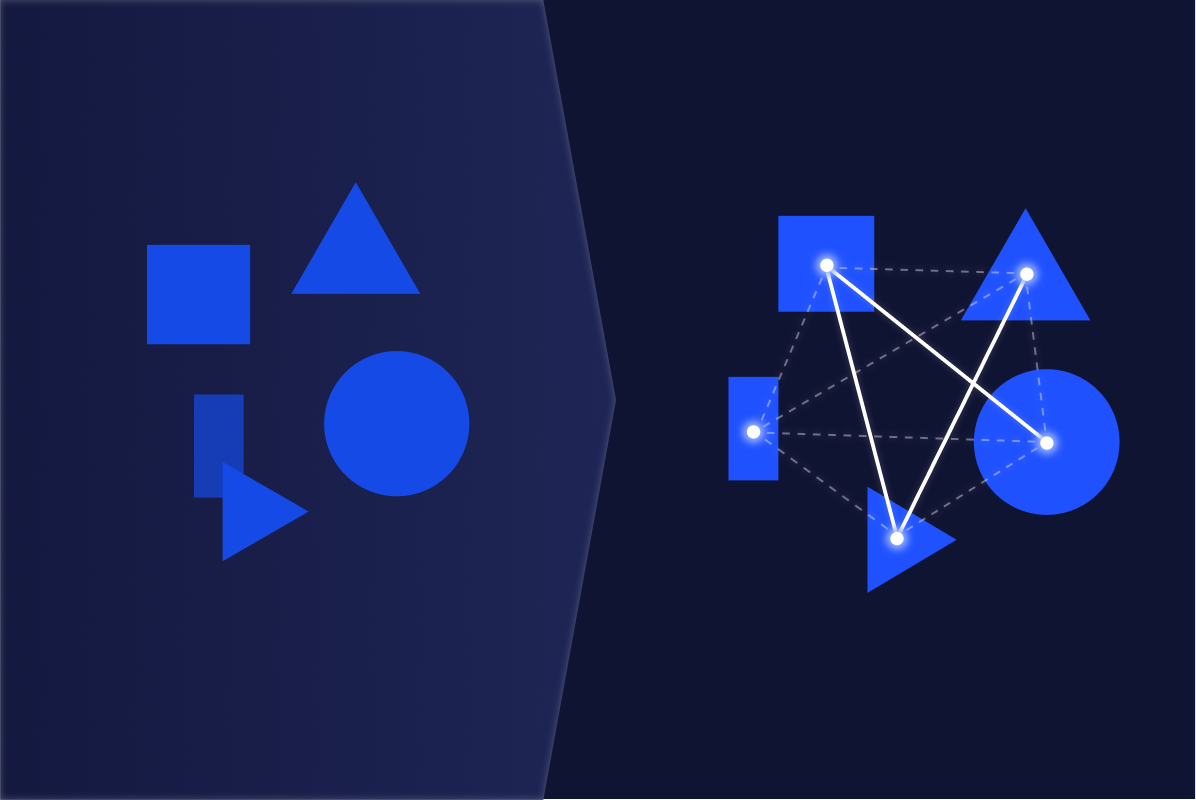
Our goal was to design a seamless AI layer—one that didn't require users to learn something new, switch contexts, or adapt to "smart" features that didn't feel intuitive. Instead, we focused on creating a unified experience: a single, human-like AI presence embedded across our tools that could act, learn, and support without getting in the way.
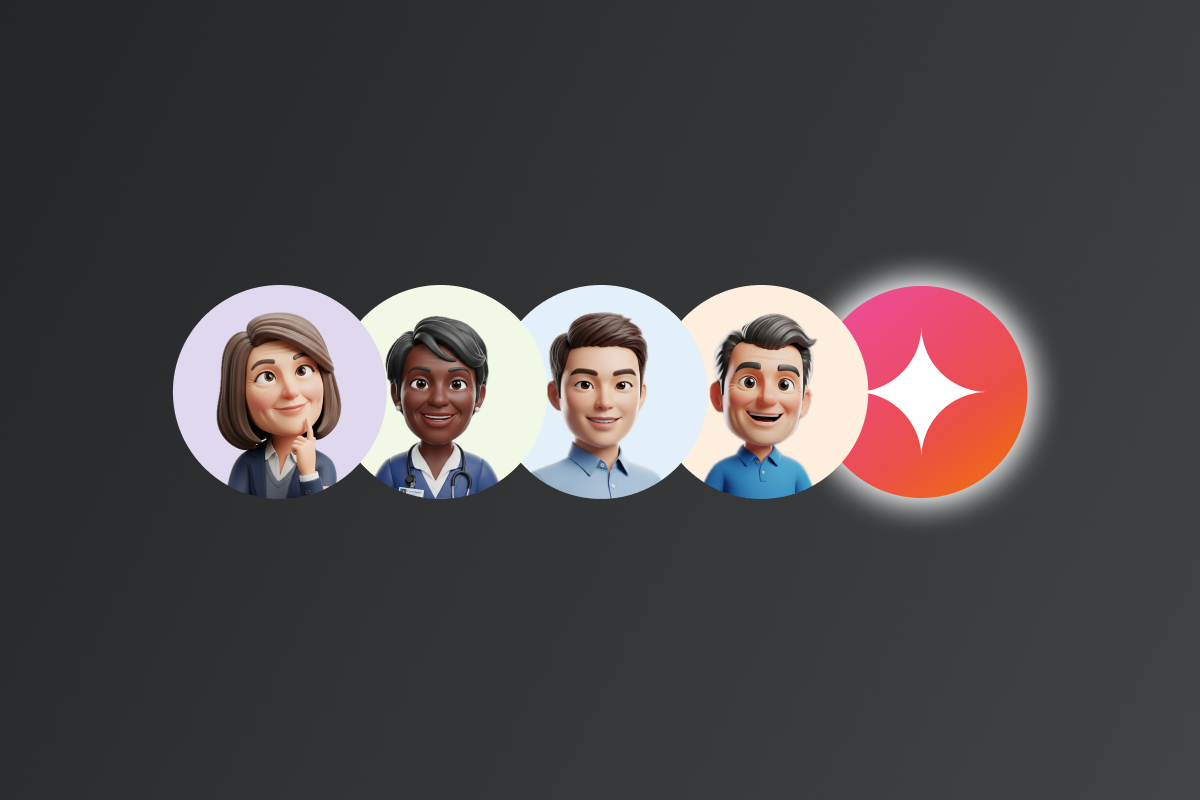
Instead of building AI as a separate interface, we reimagined it as a team member—someone you could assign tasks to, and who’d quietly return outcomes where and when you need them.
We leaned into deep collaboration across product, design, engineering, and compliance teams to ensure the experience was not only intelligent, but also safe, transparent, and built for trust.
This shift wasn’t just technical. It redefined how we think about product ecosystems, agentic workflows, and the future of collaborative design.